Amarillo Artificial Limb and Brace has served Amarillo, Texas, since 2000. Founded by Chad Mason, CPO, LPO, MBA, the small family business is built around hands-on expertise and personal patient care.
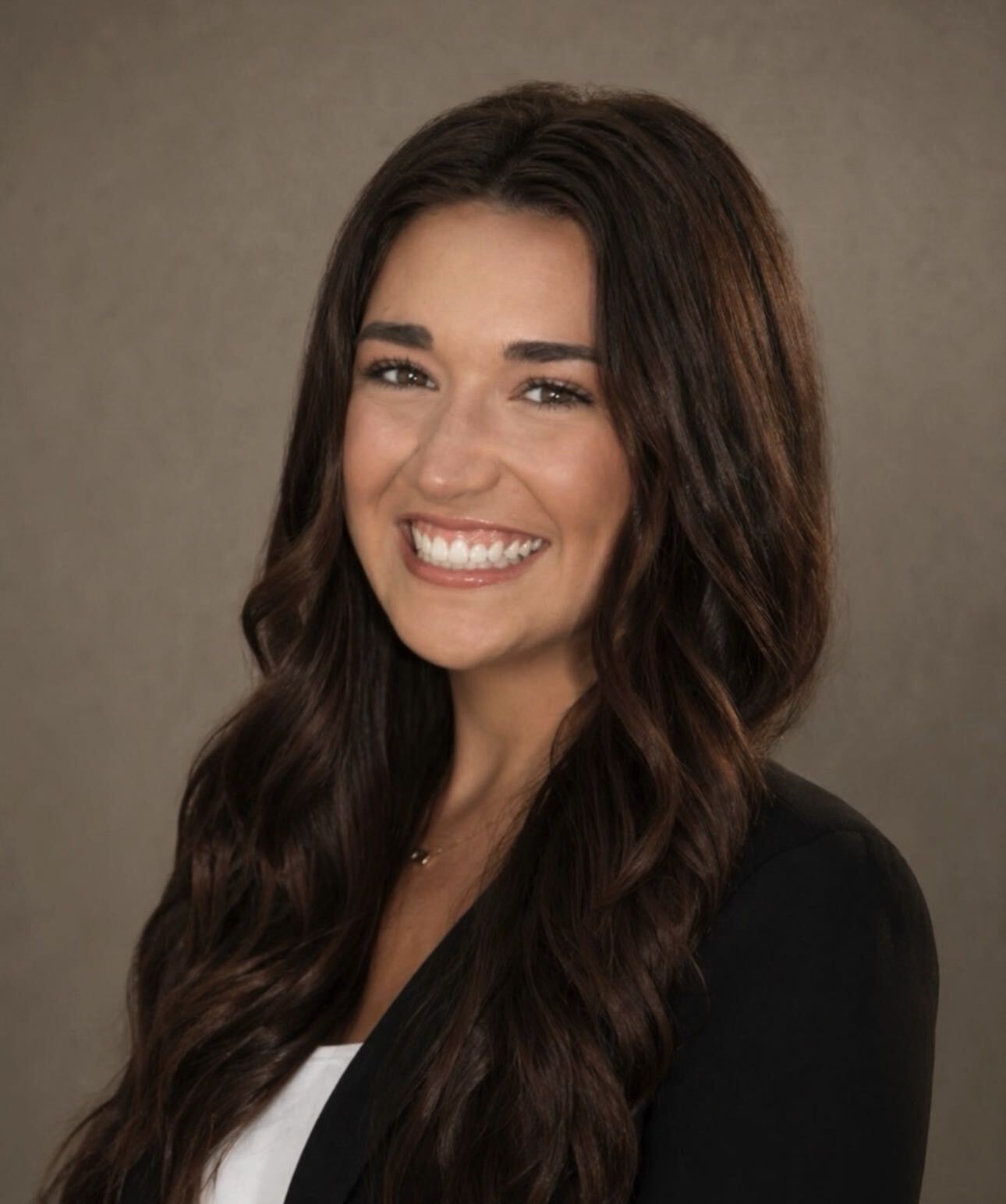
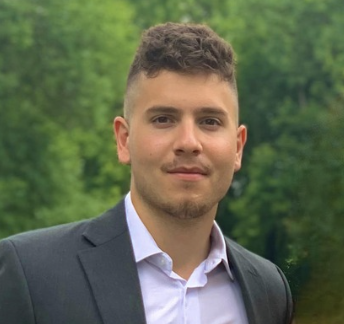
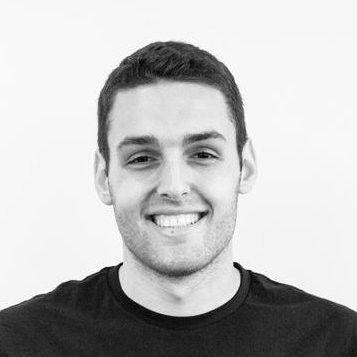
Chad’s son, Caleb Mason, MSOP, Resident, started at the clinic as a technician in high school before earning degrees in mechanical engineering and orthotics and prosthetics.
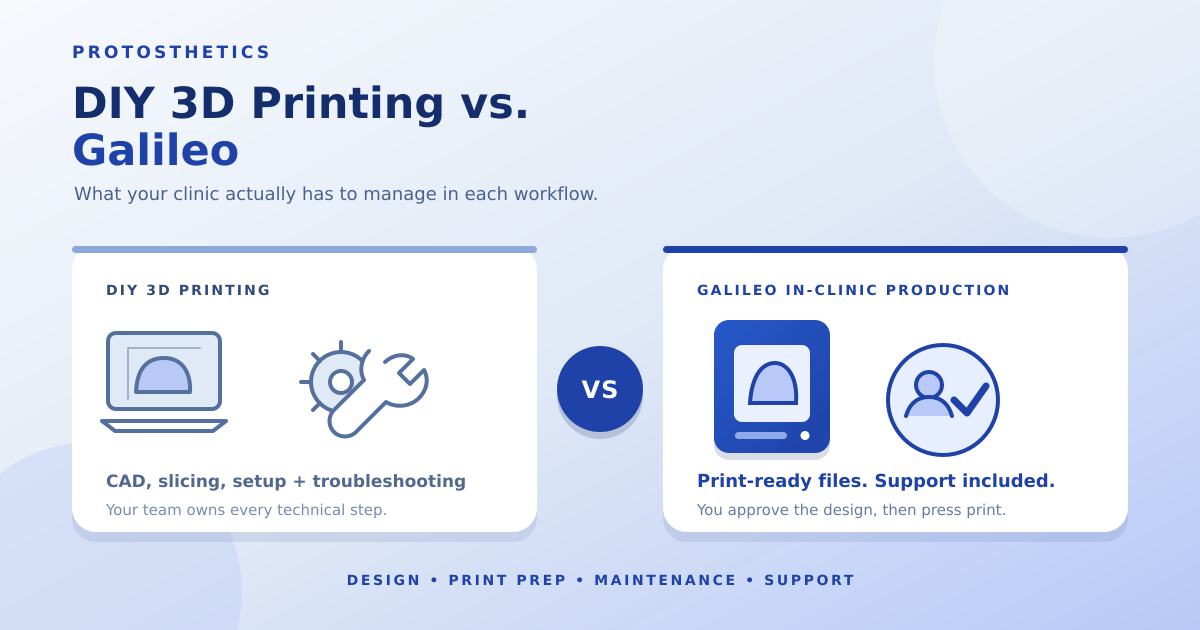
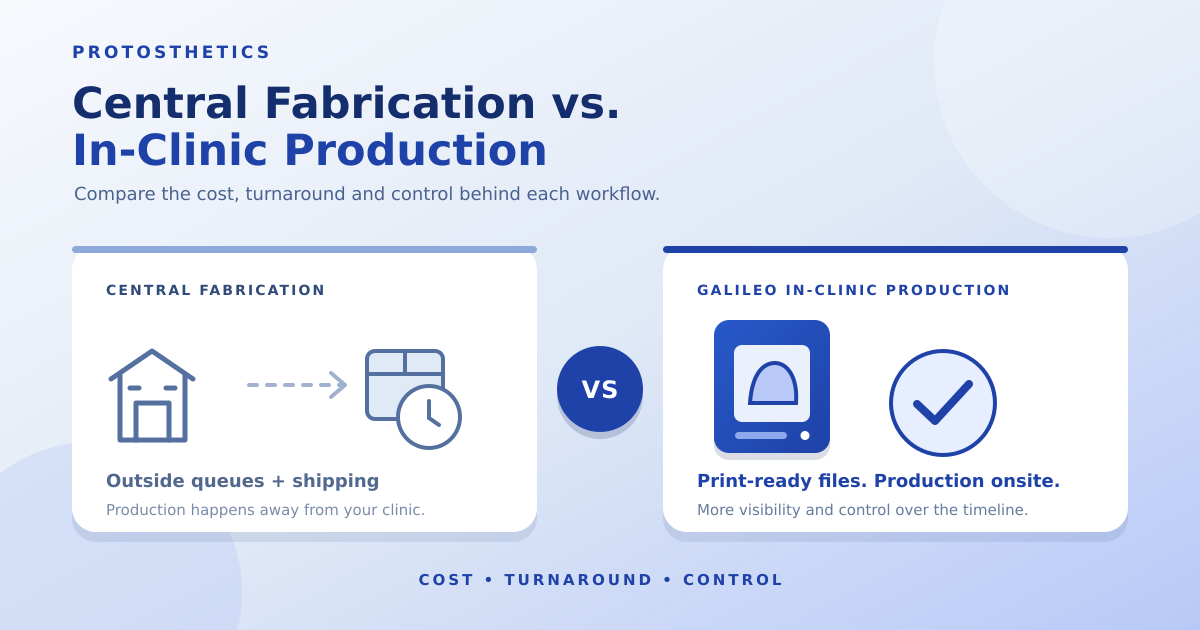
Before Galileo, the team completed fabrication almost entirely by hand. Clinicians cast patients, took measurements and modified molds in-house. The process produced strong results, but plaster was messy and fabrication required dedicated time throughout the day.
After seeing a former classmate use Galileo, Caleb became curious. “I wanted to stay with the times and scanning technologies,” he said.
Caleb initially questioned the strength of devices built from thousands of printed layers. Testing printed sockets himself changed his perception.
“I’ve actually found that the 3D-printed sockets are a little more structurally sound than some of the drape-molded or bubble-formed check sockets that we make here in-house,” he said.
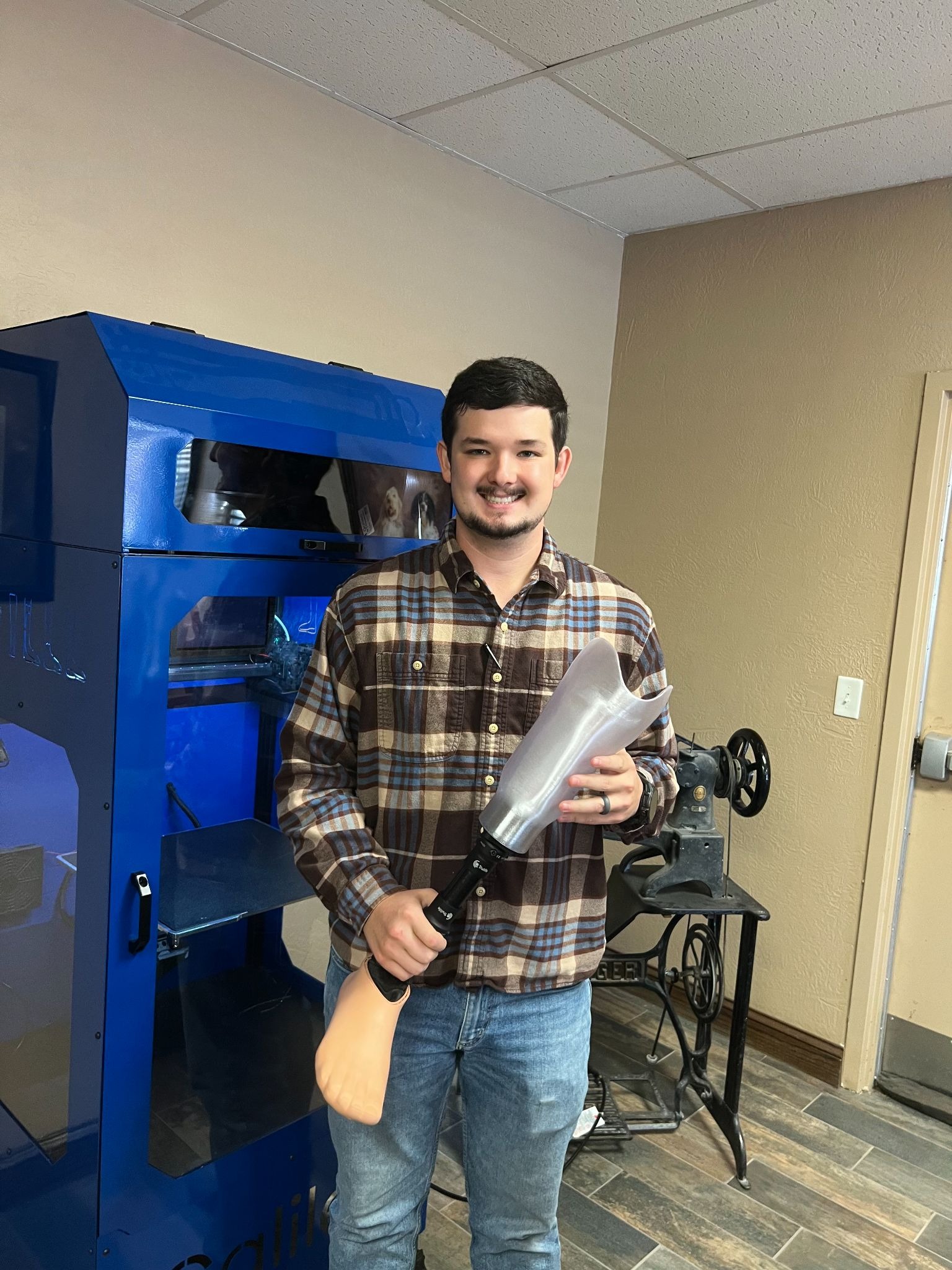
The transition started with a few trial cases. After the first few fittings, Caleb refined his process and began achieving consistent, high quality results.
Galileo did not replace the clinic’s hand skills. It gave Caleb another way to apply them. His understanding of anatomy and manual modification helps him communicate his preferences to Galileo’s digital designers.
“It’s easier to explain to them what I want done in a 3D model,” he said. “There are a lot of options. I feel like it’s a very flexible system.”
The clinic’s biggest return has been time. Without a mold to modify by hand, Caleb can redirect hours toward documentation, insurance requirements, and spending time with his patients.
Galileo has also helped Amarillo Artificial Limb schedule diagnostic fittings sooner. With its plaster workflow, the clinic typically scheduled fittings about one week after the initial appointment. When Caleb scans a patient for Galileo, he is comfortable bringing them back in just two or three days.
That speed proved valuable when Caleb encountered a suspension style he had not used before. He scanned the patient, incorporated the style into a printed diagnostic socket and evaluated the fit within days—before moving forward with the definitive prosthesis.
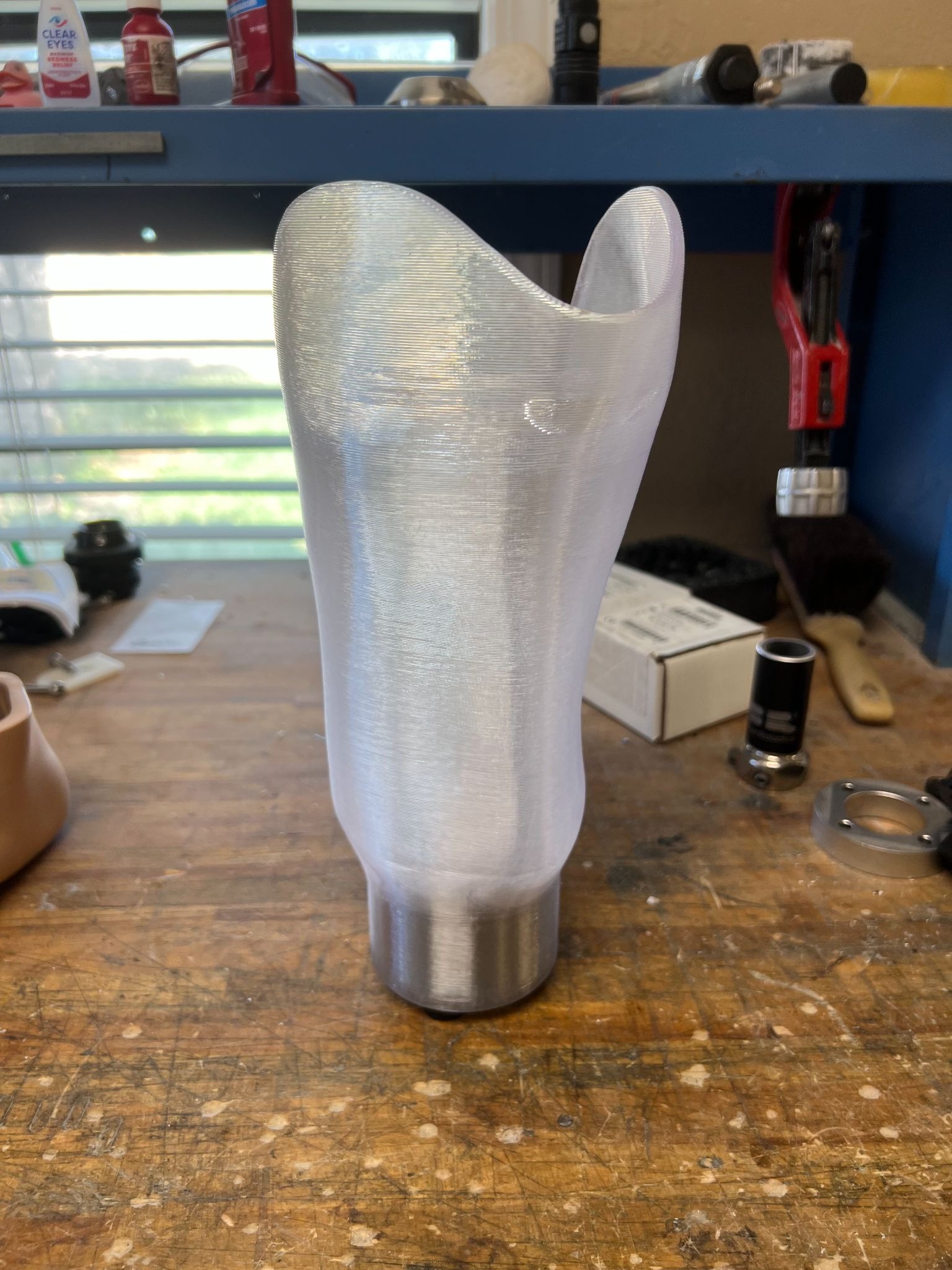
Patients have been intrigued by the process, while the clinic continues to achieve outcomes comparable to its established methods. Galileo provides another path—with more flexibility and valuable time returned to the clinic.
Caleb is now interested in adding flexible inner sockets and potentially orthotic applications, like articulated AFOs and pediatric SMOs, to his in-clinic print queue. More broadly, Galileo has made the clinic more receptive to emerging technology.
“If you would have asked our clinicians a year ago if we would 3D print a prosthesis for somebody to take home, the answer probably would have been no,” Caleb said. “But after using Galileo and seeing the capabilities, it’s opened our eyes to newer technologies and what they can do.”
For clinicians hesitant about bringing 3D printing into their practice, Caleb’s recommendation is simple: “I would just say try it. The team has been very helpful. Any questions I’ve had, they’re on the spot anytime I need them.”
Learn more about supported in-clinic 3D printing with Galileo.


.png)
.jpg)





.jpeg)
.png)
.png)